A Year Is A Long Time

OLYMPUS DIGITAL CAMERA

The  eagle-eyed amongst you may have noticed that at the start of this month, this blog was a year old. Amazingly, I have been writing down my musings on life, the allotment and our kitchen for a full twelve month period. What’s more people seem to be interested in what I write. It has been a truly humbling experience to read the comments that many of you have left.

I started the blog as a way of documenting aspects of my life as I made a big change in my life. A year ago I was preparing for the beginning of the school term knowing that it was the first time in 15 years that I would not be greeting a new class and getting to grips with 30 new names. Instead I was preparing for the start of my children’s school year and the school run every morning and afternoon. During the period I had had off work sick, the allotment and my kitchen had provided me with some solace and I hoped that sharing some of this with the world may help me in my recovery from depression and anxiety. A year on I am undoubtedly in a better place. I still have low days (weeks occasionally) and can be easily irritated by the most simple of things; but the crippling anxious fear and overwhelming sadness I faced last year has subsided. To some extent this is due in part to the blog and the fact that I made the decision to be open about how I was feeling. Its meant I have accepted how I felt, and many people have commented about similar feelings, as well as offering support.

Having time-out from working, and perhaps most significantly, time-in with the family, has enabled me to re-evaluate what I want from life. I realised that I need to spend time on my own more, I need to socialise more, I need to be creative, I need to cook…..the list goes on. Over the year I’ve had the chance to work out what I want to do, and how it may allow me to have a happier life. So, this September I’m starting another chapter of my life. Over the next few weeks and months I’ll be launching into the world of work again. This time, not as a teacher, but as a baker. Baking bread has been  real therapy for me; the slow, physical, process of baking real bread is a really mindful act and I want to share that with others.  I’m going to start baking; initially on my own, but with the idea of establishing a Community Bakery project, where people can come together and bake for the local community.

Its a bit of a change, but one that excites me, and (if you knew how I felt a year or so ago) being excited about something is a big step.
Foraged Food – Moules Marinière

Moules Mariniere

The allotment provides us with a lot of our food; we harvest lots of fruit and veg from the standard sized allotment chunk of land. However, when it comes to protein we struggle. Short of eating the plethora of slugs which attempt to sabotage our vegetable growing, or the masses of woodlice which have taken a liking to our apples, its pretty hard to produce meat protein on an allotment. But what about chickens I hear you say? Well, yes they would do the job nicely, but we’re not allowed to keep livestock on our plots, so that’s not possible for us.

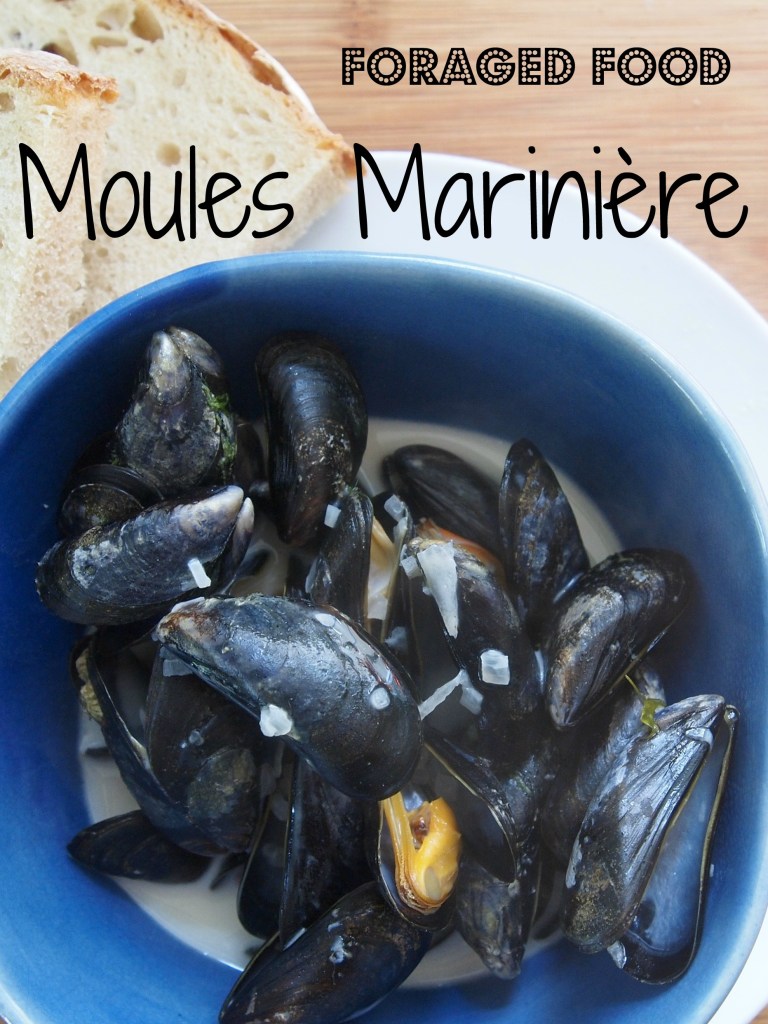
I’m always up for free food sources; whether the leftover veg at the local grocers, bin diving at supermarkets, or foraging the hedgerows of Sussex, I tend not to let the opportunity pass. Whilst down at the beach the other day we came across a load of mussels. Not massive examples of the common bivalve, but large enough to give us a little free protein in our diet. Having watched the recent BBC Horizon programme on the environmental effects of eating meat, I’d been reminded that mussels are a great source of protein, and are one of the most environmentally friendly methods of getting meat into your diet. Plus, if you forage them they are free! I should add a caveat here. I know that the mussels I foraged were from a safe source; a couple of months back I had a conversation with someone who had been eating for years, mussels, shrimp, even lobster, all caught on this beach. Obviously, its also only ok to forage mussels if there are lots there to take and they’re of a decent size.rockpooling

Moules Marinière

You will need (serves 2)

About 1kg mussels (cleaned, rinsed, and checked over for ones which don’t close)
1 shallot (finely chopped)
1/2 clove garlic (finely chopped)
1/2 tbsp. olive oil
1 small glass of white wine
50ml double cream
Black pepper to season

Fry the shallots and garlic gently in the oil until they are soft and translucent. Turn the heat up and then pour in the wine. Bring to the boil for a minute, throw in the mussels, then give the pan a shake. Cook the mussels for a few minutes until the majority of the mussels have opened to show their vibrant orange interiors. Pour over the cream, add some black pepper and then transfer to a dish to serve. I always think you need either bread or French fries to accompany this.

moules

Courgette Sourdough Bruschetta

courgette sourdough bruschettaAs its Zero Waste Week, I thought I should post a quick recipe to use up the last slice or so of the loaf. I’ve been making more bread recently and we frequently end up with a few slices worth being left a little too long to be used for a sarnie. Real bread, that which is made of the simplest of ingredients, tends to not go mouldy, instead going stale first. This leads to it being perfect for a range of different uses as toast. One of my favourite at the moment is bruschetta. A great way to use up vegetables, as well as the bread. We’ve got a few courgettes still, so I used one to top my slice or two of leftover sourdough.

You will need (a snack for one)
2 slices of bread – I used sourdough, but any good bread would work.
1/2 clove garlic
1 tbsp. extra virgin olive oil
1 courgette
A little red chilli (finely chopped)
1 tsp. lemon juice
salt and pepper

Use a speed peeler to cut the courgette into long ribbons. Place the ribbons on a hot griddle and cook for a minute or so on each side, until they star to have charring on the courgette. Remove them from the griddle and place them in a bowl with the lemon juice, chilli, a little salt and pepper, and almost all of the oil. Allow the courgettes to absorb the flavours, whilst you toast the bread. When the toast is done, rub it with the garlic, drizzle a little oil on it, and top with the courgettes mix.

September at Plot 4

August has seen some scorching weather, but also unseasonably cool and wet days. The slightly odd weather and the fact that we’ve been away for a decent portion of the month, has seen some super growth by veg and weeds alike.

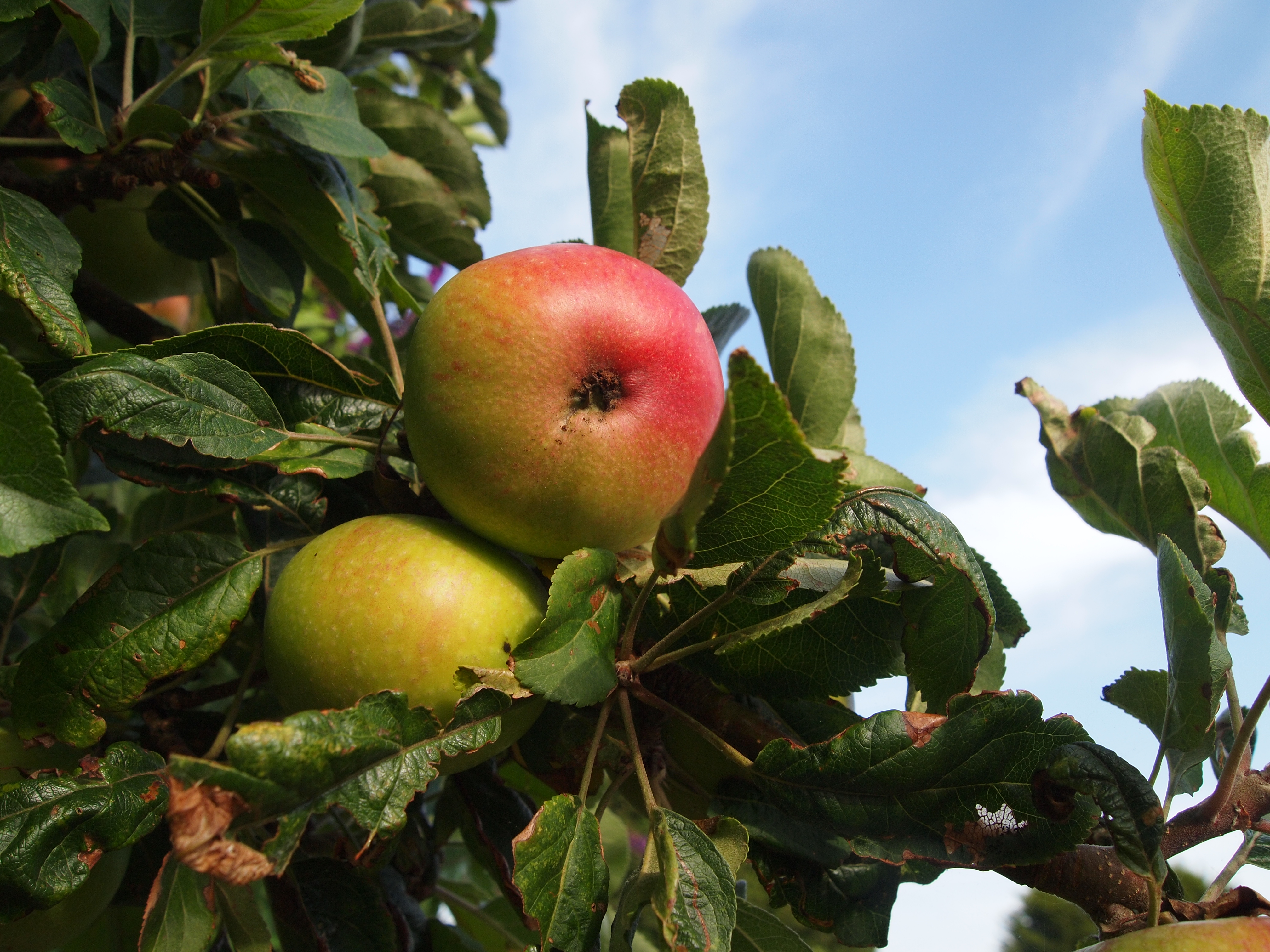
August has offered much to harvest. The beetroot have swollen to a good size, and the French beans have been plentiful, giving us a load of different dishes, including a new found classic – tagliatelle with pesto, green beans and new potatoes. Last year’s cucumber monster has reared his head once more, and we have an ongoing supply of the coolest of vegetables. The soft fruit this year has been amazing; raspberries have followed on from the strawberries, and now we have a bumper crop of blackberries to devour. Our early apple tree has been laden with fruit for a while, but they have just become ripe and we are inundated in apples. The trouble with having an early variety of apple like Beauty of Bath is that they don’t store well, so I’ve been bottling and making to use them as well as I can.

A new row of salad is due to be sown in the next few days, and I will sow more  Cime di Rapa too, as the first few rows have been decimated by the weather, pests and (if I’m honest) a little neglect on my behalf. I’ve failed to prepare properly for the winter period, so may have to source some kale and other brassicas from somewhere to fill a gap or two. In the greenhouse the tomatoes, peppers and chillis are doing their own thing, but I’ll look to sow some salads as space becomes available.

As I mentioned, our trips away from home during August have resulted in a little wild growth, and as a result there are many jobs to do in September. One of the major jobs is to prepare ground for the autumn/winter growing period. Depending on my success in finding crops to pop in, or sow, this may also involve the sowing of green manures. I’ve had little success in the past with these, ending up on one occasion with a mass spreading of rye grass across a section of plot, and failing to remove it all properly. However, this year if I have space, I’m going to revitalise the ground with a green manure. Any ideas which work best?

Garden share collective badge

This post is contributing to The Garden Share Collective; an international group of bloggers who share their vegetable patches, container gardens and the herbs they grow on their window sills.

Favourite Five Tomato Recipes

favourite fiveTomatoes were one of the things I enjoyed in Sicily, the area around Siracusa is famous for a variety of cherry tomato which are the sweetest tomatoes I’ve ever tasted. Back at home it’s harder to find the range of different varieties and flavours, but at least those picked straight from the vine are pretty good.
Simple Tomato Salad – Simply, tomatoes sliced or cut into chunks, seasoned with a little sea salt and pepper, with a drizzle of good extra virgin olive oil.

Tomato, Lentil and Pesto Soup – A great way to get some additional protein into little ones diets, and show off the delicious flavour of tomatoes. If I have fresh tomatoes then I use fresh, but otherwise its a can of tinned tomatoes. Cook a chopped onion until softened and translucent, add a handful of red lentils and cook for a little longer, then pour in the tomatoes (chopped if using fresh). Add a little stock, then simmer for 15 minutes. Whizz the soup in a blender and serve with a spoonful of pesto on top.

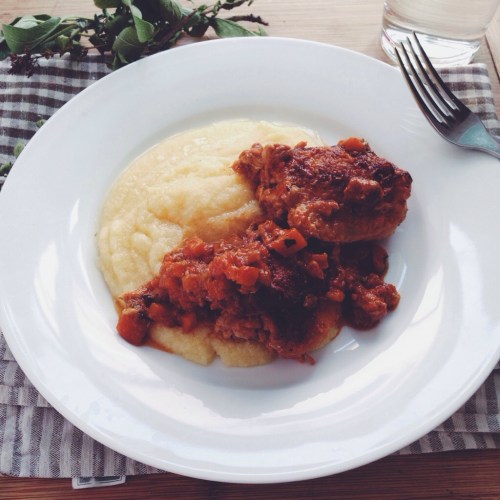
hunters chickenHunter’s Chicken – A delicious stew for a colder day which gives the tomatoes a real intense flavour. The full recipe can be found here.

Roasted tomato and Pesto Tart – Cut some tomatoes in half, splash a little olive oil over them and season with salt and pepper. Put into a roasting tin and roast until softened and beginning to brown on top. Take some puff pastry and roll it out to a couple of millimetres thick, lightly score a border around your tart and prick the centre of the pastry to ensure a crispy base. Bake in a hot oven for 20 minute, until lightly golden. Spread pesto on the pastry base, then top with the roasted tomatoes.

Catalan Tomato Bread – Pa amb tomàquet, is the classic breakfast from Catalunya, but is also a great snack. Simply toast a slice of sourdough (cooking on a griddle pan is even better), rub one side of the bread with a garlic clove, then rub with a cut tomato so the flesh and juice are absorbed by the bread. Drizzle a little olive oil over the top and sprinkle with sea salt before serving.

Raspberry and Rose Cake

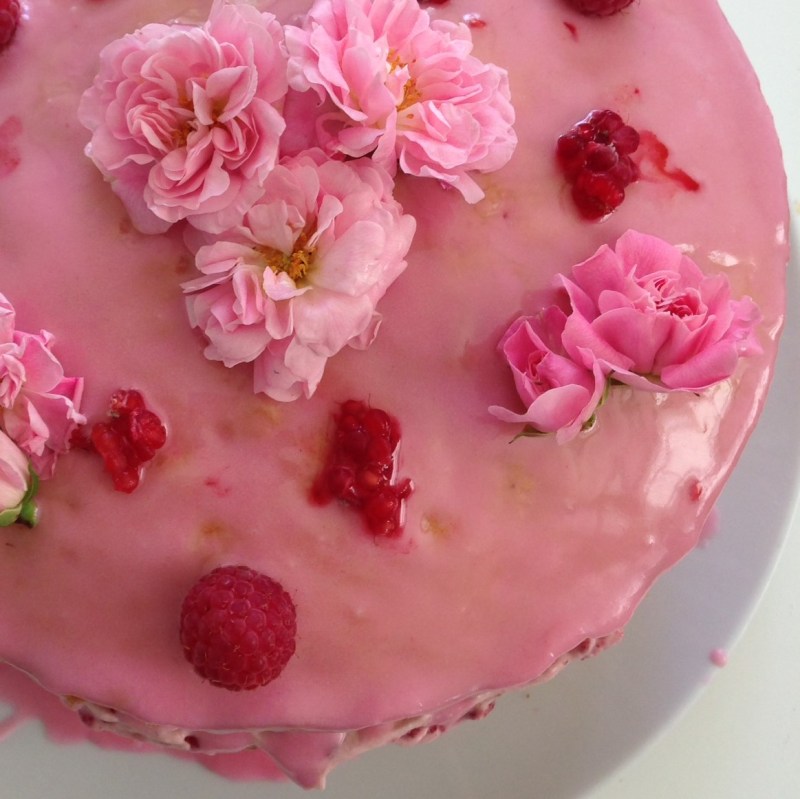
raspberry rosewater cakeMy daughter has really got into the idea of baking. She sees both my wife and myself cooking and is pretty into the culinary exploits of the contestants on the Bake Off. Recently she decided she should have a go making a cake by herself (well the placing in the oven bit aside). This recipe is adapted from one in the cookbook of Bill’s Restaurant; for those of you unaware of this small chain of restaurants which started in Lewes, they produce good seasonal food with an emphasis on fresh fruit and veg. The resulting cake is a bit of a show stopper, perfect for a summer tea party.

You will need
Cake
225g caster sugar
225g unsalted butter, softened
4!medium eggs, beaten
1 knife tip of vanilla paste
1.5 tsp baking powder
225g self-raising flour, sifted
Rose cream filling
150ml double cream
1/2 tsp rosewater
4 tbsp raspberry jam
150g fresh raspberries
Rose glacé icing
175g icing sugar
2 tbsp warm water
1 tsp rose water

This makes a two-tier cake, but Matilda made a three tier version by using half as much ingredients again.

Preheat oven to 180°C, lightly butter two cake tins 20cm in diameter and line with baking parchment.
In a large mixing bowl, beat the sugar and butter together till they are pale and fluffy. Add the vanilla paste before slowly adding the beaten egg a little at a time. The mixture may start to curdle, but if you add a teaspoon of flour, it should bring it back together. Mix in the baking powder and half the flour, then fold in the rest. Share out the batter between the cake tins. Smooth the tops, then bake for 20-25 minutes until they are golden, risen and have shrunk away slightly from the sides of the tin. Leave the cakes in their tins for 10 minutes before turning out on to a wire cooling rack.

Whilst you wait, whisk the double cream until it stands in soft peaks, adding the small amount of rosewater as you go. Fold in the raspberry jam, and when the cakes are completely cool, turn one of them flat base uppermost, spread with the cream mixture and scatter with slightly crushed raspberries. Top with the second cake. If you’ve made three cakes, spread more cream and raspberries over the second layer and top with the third.

For the pink glacé icing, mix together the icing sugar, water and rosewater, and stir in the juice from a few crushed raspberries. Drizzle the icing across the cake and top with roses, rose petals and the remaining raspberries.

From the Bill’s Produce cookbook, Cook, Eat Smile.
28198-cookblogshare

The Simple Things

Sitting on the roof terrace of our apartment in Ortigia the other week, espresso in hand, sun on my back, and enjoying the kind of noisy peace you get in a town. It occurred to me that one doesn’t need much to be content – happy even. Around me I could hear the bickering of other people’s children, the buzz of the ubiquitous scooter down the narrow streets and the hovering of the local Nonna. But on that terrace I was at peace. All I needed was the time to sit there and let all that was around, wash over me. It strikes me that that is not a bad plan for life in general. Keep it simple.View from apartment roof panaorama

The Italians certainly embrace simplicity with their food. An octopus salad is exactly that; octopus in the form of a salad, with perhaps a little lemon juice olive oil. Famously, pizza should only ever have three topping ingredients; tomato, cheese and one other. If the produce is of the best quality, why complicate it? The core flavours sing all the better.

A simple tomato salad
Tomatoes – a range of colours and sizes are best. Tomatoes always taste better straight off the vine, and certainly when at room temperature. Don’t keep them in the fridge!
Extra Virgin Olive Oil
Salt & pepper
Basil

Slice the tomatoes into fairly thick slices, before tearing a few basil leaves over them. Season and drizzle with a little good extra virgin olive oil. Serve.

I often struggle with living in the moment and keeping things simple, getting caught up in the logistics of the event or the next meal to be planned. Simple meals need less planning, yet somehow bring more joy. Sometimes the simple things are the best.

Gluten-free Lemon Ricotta Cake

The other day, I was given a load of ricotta which was going to be thrown out. Its use by date was about to pass and therefore was unable to be sold, but essentially it was fine. Given this ricotta mountain, I set myself the task of turning it into delicious food. Ricotta is an Italian whey cheese made from the whey left over from the production of other cheeses like mozzarella, hence its name (ricotta literally means “cooked”). It is a versatile cheese, being used in both sweet and savoury dishes, like the traditional Italian Easter pie, Torta Pasqualina. Given the family’s need for a cake this week, and one which could be used as an impromptu pudding too, I decided to start off by making a ricotta cake; not quite a Sicilian Cassata, but a cake of ricotta, eggs, sugar and a little flour.lemon ricotta cake

You will need
150g softened butter
150g granulated sugar
Zest of 2 large lemons
1/2 tsp. vanilla paste
3 large eggs, separated
250g ricotta cheese
65g gluten-free plain flour, plus a little for dusting
2 tsp. gluten-free baking powder
Dash of Salt
To Serve:
Fresh strawberries, raspberries, blackberries (any berries available and in season)

Preheat oven to 170°C and lightly grease and flour a 20cm spring-form pan.  Beat the butter and sugar, or use the food processer, until light and fluffy. Add the lemon zest, vanilla extract, egg yolks and ricotta cheese and beat until smooth. Mix together the flour, baking powder and salt, before beating into the butter mixture until combined. In a separate bowl, whisk the egg whites until stiff, then gently fold the egg whites into the batter. Pour the batter into the tin, then bake for about 45 minutes, or until a cake tester stuck into the center comes out clean. Allow the cake to cool, then top with your selection of seasonal berries.

How to Make Fougasse

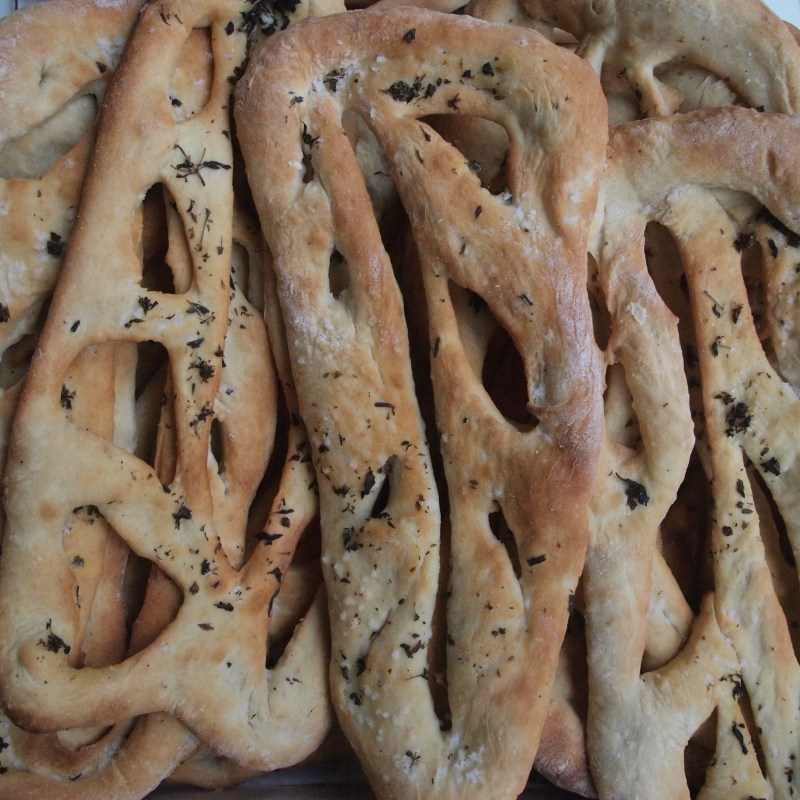
Originally cooked in the ashes of the hearth, and typical of Province, Fougasse is a marvellous bread to eat. It’s pretty simple to make too; combining olive oil with flour, yeast and salt. Traditionally the Fougasse was a flatbread made to check the temperature of the wood fired oven; the time taken for the bread to bake indicated how hot the oven was. That said, it doesn’t need to be cooked in a wood fired oven; a really hot traditional domestic oven is fine.

Fougasse

Fougasse is a great vehicle for flavours, and the allotment is good at providing them at the moment. The red onions, which have been busy swelling over the last few months, are dried and ready to be used; and the woody herbs at the plot are all looking lush and fragrant. So, to combine the flavours of rosemary and red onion, or marjoram and sea salt, makes sense to me. I always think if they grow together (the rosemary and onions look at each other over the allotment path), then they probably will work together in food.

You will need (makes 8)
1kg strong white flour
100g refreshed sourdough starter (this is optional, but adds a depth of flavour)
625ml warm water
100ml olive oil
10g dry yeast
15g salt

For the flavourings
1 red onion, finely sliced and fried until soft and succulent
1tsp. chopped rosemary
1tbsp. torn marjoram leaves
2tsp. sea salt

Mix all the ingredients into a loose dough, then leave to stand for 10 minutes to allow the flour to absorb the water and for gluten strands to begin to develop. Tip the mix onto a work surface, before kneading the dough until the dough comes off the work surface and has lost some of its stickiness. The dough will be sticky, but try not to add any extra flour; your bread will benefit from it if you don’t. Form the dough into a ball, place an oiled plastic sheet over it and leave for 90 minutes to 2 hours to ferment. Tip onto an oiled surface and stretch and fold the dough. Let it rest, covered once more, for a further half hour, the portion into 200g pieces. If including flavourings in the dough, flatten each piece and place a small amount of flavouring (cooked onion and finely chopped rosemary in my case), fold the dough over the filling and ball them up to rest again for a further 10 minutes. Roll out the balls of dough into rough triangular shapes. At this point you can add any toppings you want, gently pushing them into the dough with your fingers. Dust each triangle with flour, then use a sharp knife to cut slashes through the dough. Start with a slash down the middle, followed by diagonal slashes on each side of the centre to form a leaf-like effect. Carefully open the holes a little, stretching the dough as you do, before sliding onto a lined baking tray and baking in a hot oven for 10-12 minutes until golden brown.

Recipe inspired by those of Community Chef and Emmanuel Hadjiandrou.

fougasse