Courgettes – A Guest Post from Plot 22

The allotment has been a real haven for me over the last year. I’m sure I’m not alone in benefiting from the communal and restorative properties of time outside growing. At our allotment site we have a community plot, Plot 22, which offers people just that. So I asked Emma, who runs the project, to write a guest post.

PLOT 22 is an allotment garden project that offers people who may not otherwise have access to a garden the chance to enjoy and participate in creating a peaceful, abundant and edible oasis in the middle of our busy city.

I think of courgettes as cheerful generous friends! They are easy to grow and so gallopingly bountiful it can be hard to keep up with them. That said, the planting out stage is their most vulnerable but those that make it through and survive the slugs have a prickly and reassuring sturdiness. New fruits seem to double in size over night. And for us, gardening and cooking collectively on site at PLOT 22 this ensures a feast several days a week in the summer months. This month we are dining out on a variety gifted to us by another allotment holder: a yellow courgette that produces sweet round fruits. Happily the slugs didn’t decimate these plants as they did some of our own courgettes grown from seed. This may have been because we planted these yellow ones in raised beds, waist high, certainly out of the eye line of slugs, or more likely their scent detectors.

20140701-164029-60029071.jpg

Courgettes are most definitely a vegetable made for cooking outside. There’s very little preparation required and no need for saucepans at all! We’ve had delicate raw ribbons in our salads, using a potato peeler – easier with the long variety than the round sort, marinated multi-coloured courgette and halloumi kebabs grilled on the BBQ, and thick, colourful slices seared on the hot bars and dropped straight into fresh herby, garlicky dressing to soak up all the flavours. Next week we’ll try a recipe shared by a Japanese friend: grating the juicy pulp into spelt flour then mixed with a dash of oil to make thick green pancakes, cooked quickly in a skillet on the fire they are a treat I’ve been looking forward to for months!

It is true that you can have too much of a good thing. Sometimes a courgette’s generosity can seem like a burden of responsibility – how to make use of all this sudden vegetable goodness before they turn into the size of baseball bats? I’ve often found bags of these oversized beauties left on my doorstep by other gardeners, clearly overwhelmed by their mighty bounty. But that’s the beauty of gluts – there’s so much to go around. It reminds us how abundant Nature is and brings out the generous friend in us!

July at Plot 4

June has been a really warm month down here on the south coast. We’ve had slightly above temperatures, with occasional heavy downpours. All in all, perfect growing weather. As a result the allotment has flourished, with the crops just about outgrowing the weeds.

The good weather has meant there has been much to harvest. The broad beans have been a roaring success, with literally bagfuls being picked and eaten over the last few weeks. Whilst the original overwintered crop has just finished, the spring sown bean are about to be ready to pick; so we’ll be enjoying these sweet and tasty beans well into July. The strawberries have also been excellent, with a really good harvest of big berries. They too have begun to reach the end, but as they finished the summer raspberries have ripened and are providing us with a great crop. Salads are hard to get germinating when its so hot, but those which had grown have been giving us a constant alternative to the hermetically sealed bags of overpriced salad in the supermarkets.

Over the last few weeks I have been sowing more Swiss chard, as well as some Florence fennel. Hopefully they can get going and provide us with a good crop into the autumn. There’s still time to sow more peas and dwarf beans, so once the potatoes are dug, I’ll put a row or two of each for a late summer crop of fresh peas and beans. This is the month I start to think about the winter, so I’ll be rifling through the seed box and working out which of the brassicas I can sown now to give me a crop when the days are colder and shorter. For a quick fix, I’ll also be sowing some more radishes. They’re so quick to germinate and swell, and they add an amazing heat and crunch to any salad.

The ongoing jobs of watering and weeding will continue this month. I’m trying to be smart with the watering; only watering those plants that really need it, and making sure that they don’t go from drought to flood too much. In terms of the tomatoes, this consistency is crucial to ensure that the fruits don’t split or become diseased. The pumpkins, squashes, cucumbers, beans and indeed tomatoes, all need tying in to their supports as their tendrils and shoots grow in the summer’s heat. This year I’m trying to control the pumpkin and squash growth by training them up a step ladder and around an old parasol frame. The plan is to tie them in every so often, so I can let the plants become big without them taking over the whole allotment!

Garden share collective badge

This post is contributing to The Garden Share Collective; an international group of bloggers who share their vegetable patches, container gardens and the herbs they grow on their window sills.

How to train tomatoes

Whilst tomatoes should have been planted out by now, you can still get them from nurseries and garden centres, ready grown and ready to nurture to cropping. The smell of fresh tomatoes, let alone the unbeatable taste of fruits picked from the vine, makes growing them well worth it.


Once your tomato plants have grown to about a foot in height, support them with a cane or stick at their side which you can use to tie them into as they grow. It’s importance to tie the. plants to a cane before they have a chance to drop, as this encourages them to grow up and produce more fruiting spurs. As they grow, pinch out all side shoots of your cordon tomatoes, but you can leave the bush types well alone to fill out. Once cordons have formed six or so fruiting trusses you should pinch out the tops. In reality I tend to let them hit the roof of the greenhouse, then pinch out the tips.


I under-plant my tomatoes with basil, as basil and tomato go together. It makes it easy to make a basil and tomato salad, but also has a preventative effect on aphids. Companion planting with French marigolds – tagetes – also works as the aphids will be repelled by their smell. Watering is crucial for consistently good fruits. Before the flowers have formed, water once a week or so and feed once a fortnight. Once the flowers and fruit have formed, water twice a week and feed once a week. What tomatoes don’t like is inconsistent watering, this tends to lead to splits and problems with bottom rot. Like children, they appreciate a routine and will repay you when they are looked after in a consistent way.

Once ready ripe, keep picking, this will help to extend the harvest as long as possible. It also means you can use them in a range of delicious recipes. Check out some tomato recipes here.

New Baby Chicken

It’s amazing how a situation, and experience, can change how you perceive things. Its definitely the case with food. Fish and chips for example always tastes better on the beach, and the memory of the ice cream I had relaxing on the walls of old Dubrovnik is undoubtedly effected by my happy memories of that holiday.

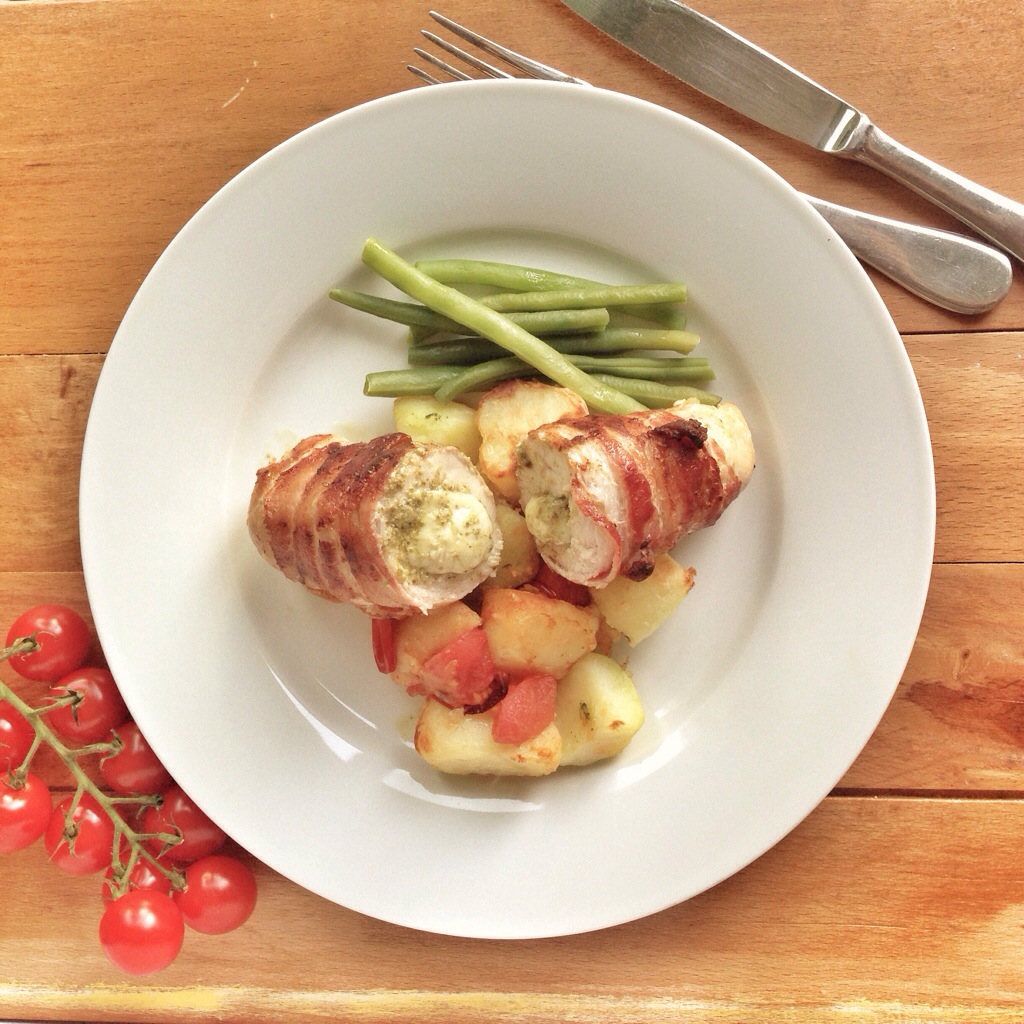
When our daughter was born, my wife and I returned from hospital with our new baby desperate for a good meal. Hospital food is not necessarily the best, although I remember my wife gobbling down all the food given to her during her time in the hospital. So, on our return I set to work making a decent meal.  I don’t recall why, perhaps it was suggested by my wife, but I ended up making a Jamie Oliver recipe (from one of the comic relief mini-books). A tray bake chicken dish, which used pancetta wrapped around chicken stuffed with basil butter. The herby butter oozed out of the chicken, helping to keep the chicken moist, but also infusing the potatoes with a delicious basily butteriness. It was exactly what was needed for a mother recovering from childbirth, and a father coming to terms with the enormity of parenthood. Comforting and buttery, yet fresh with the acidity of the tomatoes and the vibrant flavour of basil. We’ve had the same dish, or very similar versions of it, many times since, but its never ever come close to matching the first one. That’s why it will forever be known as New Baby Chicken.

New Baby Chicken

You will need (serves 2)
600g potatoes, peeled and cut into 2cm dice
salt and black pepper
olive oil
Small bunch fresh basil
50g softened butter
2 skinless chicken breasts
6 slices streaky bacon
Large handful cherry tomatoes, halved
Small bunch of salad leaves (whatever you’ve got, but rocket or watercress go well)
Juice of half a lemon
4 tbsps extra virgin olive oil

Preheat the oven to 220°C and par·boil the potatoes in salted water, then drain and let them steam dry until cool. Toss them in a little oil and seasoning, before baking in a  roasting tray for 10 minutes. Meanwhile, tear the basil leaves and pound them in a pestle and mortar with a little salt until the luscious green juices of the basil are released. Add butter and work the basily liquid into it, to form a green flecked basil butter.

To prepare the chicken turn your first chicken breast over, fold back the small fillet underneath, cut a long, shallow slash into the main breast meat. Spoon a couple of teaspoons of basil butter into this cut and fold the small fillet back into its original position. Next, lay the streaky bacon on a chopping board and, using the side of the knife, flatten and lengthen each rasher. This makes your bacon go further, but also helps it to crispen up better.  Lay out three rashers, slightly overlapping, on a chopping board. Place a chicken breast upside down at the centre of the bacon and wrap the rashers around the chicken breast. Repeat with the remaining chicken and bacon.

chicken and potatoes in the pan

When the potatoes are nearly cooked, throw the tomatoes into the tray with a splash more oil, and place the wrapped chicken breasts on top. Pop back in the oven for about 15-20 minutes. Serve with a salad of leaves and a quick lemon juice dressing (mix the juice of half a lemon with 4tbsp. of oil).

new baby chicken


Throwaway Smoothie

With the summer firmly arrived; we are starting to see the fruits of the hard work at the allotment over the winter and spring. In the case of the strawberries and raspberries this is a literal fruiting; and when it comes to the former, in abundance. The strawberries are ever popular with the kids, but even their insatiable appetite for the berries can’t ensure they all get eaten. The excess crop gets open frozen and put in bags in the freezer, to use at a later date, or to make into a smoothie. I’ve also come to notice the amount of fruit which is thrown away at the local greengrocers and supermarket. The supermarkets seem to still insist that once the best before date has expired, so has the fruit, and this it seems is spreading to the greengrocers as customers reject anything with a bruise or blemish. As a result, I’ve started to check out the shops at the end of the day and have picked up loads of fruit which is slightly bruised, but otherwise fine. Especially when it could go in a smoothie anyway. So once washed and prepared it goes in the freezer to be used another day.

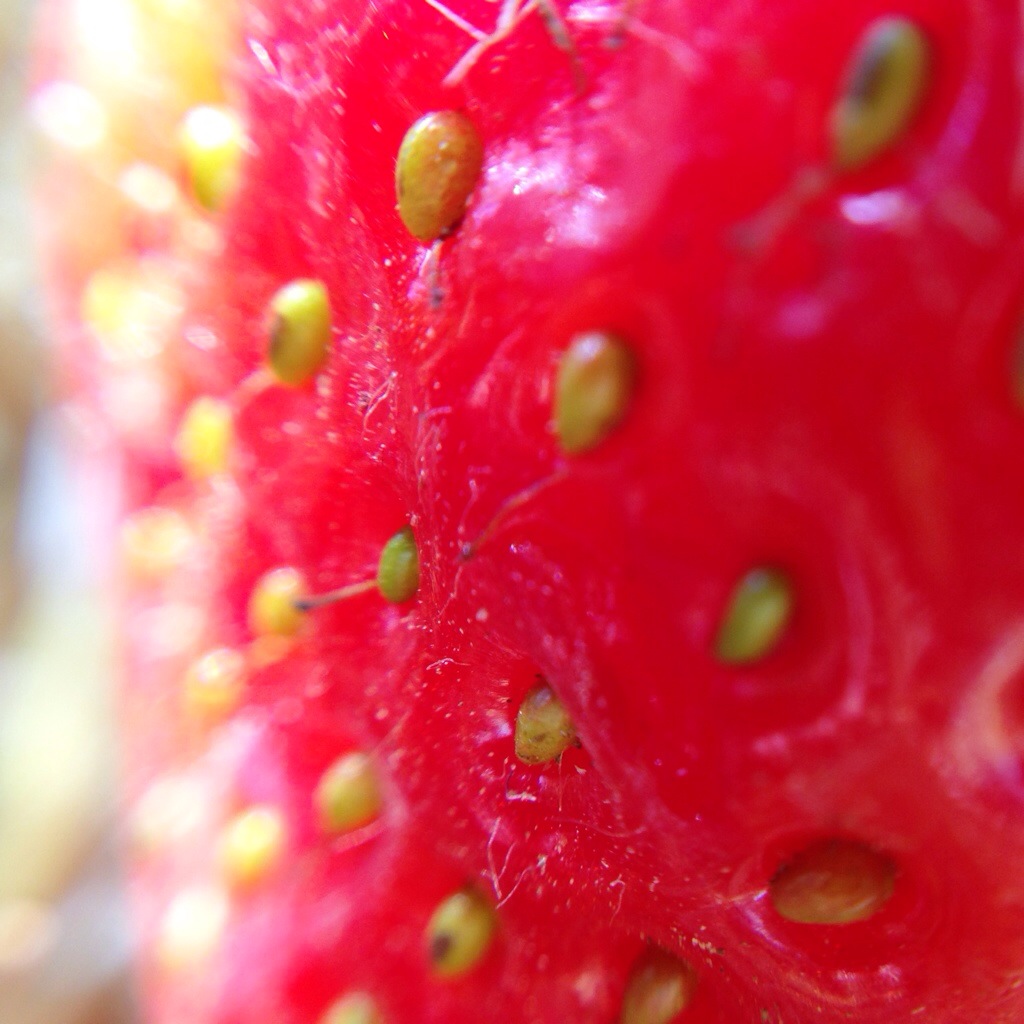
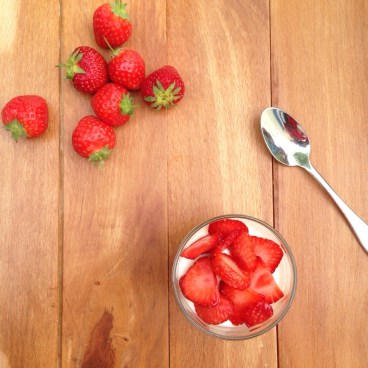
macro strawberry

The advantage of using frozen fruit in these fruit drinks is that you automatically get an ice cold smoothie. You can also just grab a handful of whatever fruit you’ve saved from the compost bin and quickly whizz up a refreshing and fruity drink. The other essential ingredient for a smoothie is a banana, giving the drink body, but also natural sweetness. The blacker and softer the banana, the better, with the sugars inside better developed the riper it is. The freshness of yoghurt works well with the sweet banana flavour and also compliments the fruit. Ever popular as a breakfast, lunch, after school or evening drink. The smoothie is a great way to use up those old fruit.berry smoothie

You will need (makes enough for 2)
1 banana
2 or 3 handfuls of frozen berries
200ml natural yoghurt

Peel and roughly chop the banana and add to a blender with the frozen berries and yoghurt. Whizz until totally smooth. Pour into glasses to serve. To make a more substantial smoothie for breakfast, add a small handful of oats to blended mix, before giving it a few seconds more blending. The resulting ‘thickie’ will keep you going well.

This smoothie is really only a rough recipe. It can be adapted to fit whatever fruit you’ve picked up from the grocers or garden.

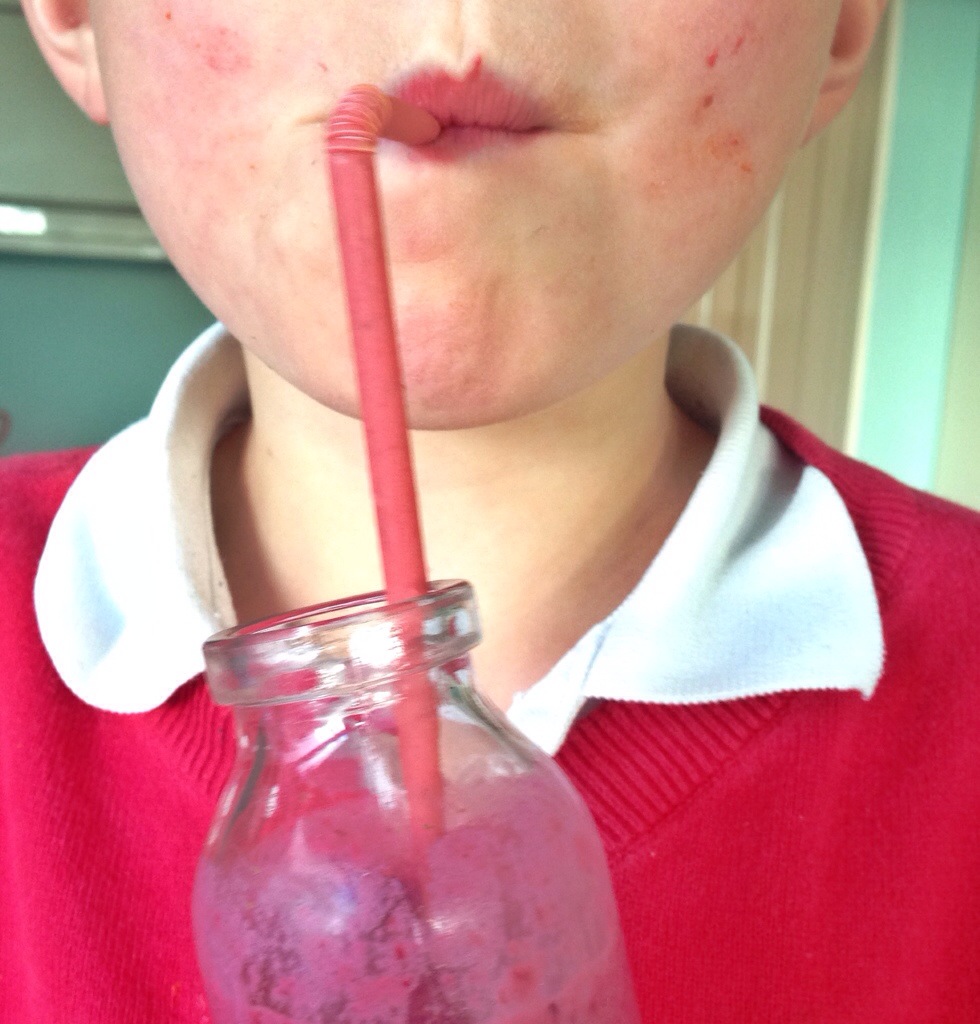
smoothie drinker

 This post has been submitted to #CookBlogShare.

 photo 9af5d0df-b279-4c3c-92ad-fc98f562a39a_zpsaca21226.jpg

Growing Out of Trouble

Like Monty Don, in his book ‘Growing Out of Trouble’, it seems the “earth keeps me sane“. I’ve come to recognise that I need to be outside some of the time each week to maintain my mental health. It’s been something that I have realised over the last year. Whether it be going for a weekend walk with the family, an afternoon at the allotment, or just an evening stroll to the seafront. If I’m feeling low, one way I can help myself is to get outside.

As a teacher I always thought that I had done well to avoid an office based job, with its connotations of stuffiness and a lack of natural light. After all, my classroom was blessed with large windows down one side, and a beautiful village green beyond them. Yet, I still spent much of my time inside, and evenings at home were usually spent working in front of the computer. In many ways this was not too far away from the office based job I prided my self in avoiding. Now I have time to go to the allotment, I can enjoy the space and fresh air of the plot, and it undoubtedly has had a positive effect on my mood. Growing things just adds to this positivity and feeling of wellbeing; again Monty Don sums it up brilliantly when he says

we all get – and feel – better for being outside and growing things … Looking after something else always results in looking after a part of ourselves“.

He’s right, nurturing plants does fulfil something in people, allowing them to recognise what they need to do to flourish, as well as what the plants need.

Early Summer Minestrone

Home grown veg, no matter how small or misshapen, are a world away from those bought from the supermarket. It has that something special, it’s been cared for by you, it’s got soul. Over the year homegrown veg can provide you with so many fresh and vibrant tastes; from the earliest of peas and beans, to the sugary sweetcorn of late summer, to the pumpkins and roots of autumn.
20140609-164951-60591333.jpg
This soup is like taking a seasonal look at the plot. It’s a vehicle for the fabulously mixed flavours of the allotment this month (or any month actually). At its base is a great chicken stock and a softened soffritto (the classic Italian soup and sauce base); but apart from that the soup is about using what is available. As such a recipe is not what you need to make this, all you need to do is go to the garden and pick what is in season. The soup benefits from the freshest of vegetables, balanced with a good source of carbs. In huge spirit of adding what you have in season, then this should be potatoes or dried beans. I often use broken pasta or some of the tiny pasta shapes like orzo, combined with small dice potatoes and cannellini or a similar bean.

You will need (serves 4)
3 tbsp olive oil, plus extra to serve
1 onion, chopped
1 clove of garlic, crushed
2 carrots, cut into fine dice
2 sticks of celery, cut into fine dice
Seasonal vegetables of your choice (at the moment a couple of handfuls of fresh peas and broad beans, 3 large leaves of Swiss chard, shredded, but any veg works)
1.5l good quality chicken stock
1 potato, cut into 2cm dice
100g cooked and drained haricot beans (or whatever bean you have)
150g pasta (I’ve used broken bits of pasta, but orzo or another small pasta is great too)
Grated parmesan and a few mint or basil leaves, to serve

Heat the oil in a heavy-based pan and add the onion and garlic, softening for 5 minutes, before adding the carrot and celery and softening further. Add the rest of the seasonal vegetables in order of cooking time (peas won’t take as long as courgette for example) and allow to soften slightly. Stir in the potato, stir for a moment, then add the stock, the cannellini beans and pasta. Bring to the boil, then simmer for about 15 minutes until the potato and pasta are cooked. Season to taste, drizzle with some olive oil, a grating of parmesan and some torn mint leaves.


How to grow French Beans

Prone to late frosts, cold winds and slugs, now is the time to grow French beans. I planted out my climbing bean Cornetti Meraviglia di Venezia last week, but only sowed Dwarf French bean Boby Bianco in situ in the last few days. The dwarf varieties work well, allowing a bumper crop without the need for supports. They also are the best to grow if you want to extend the season and grow under cover. Beans are best sown into moist soil that is rich in organic matter, a few centimetres deep and initially under cloches. To get a succession of crops, sow every month or so until late summer. As the plants develop and get flowers, make sure that you water regularly, as this will encourage more flowers and thus more beans. A mulch of organic matter around the base of the plants helps to retain the moisture and also gives a nutritional boost to the plants. You can also use a tomato feed (or something similar like comfrey or nettle ‘tea’) to help encourage the development of more pods.

Pick the beans regularly to keep them producing. They are at their best when their slim pods hide the beans seeds perfectly, and the flesh snaps crisply. If you’re unable to devour all the beans available when they’re at their best, just blanch in boiling water for a minute or so and open-freeze, before transferring to freezer bags. They cook brilliantly from frozen when needed.

Beans also do a great job of improving the soil even after their harvest. They enrich the soil by fixing nitrogen in nodules of bacteria on their roots. To capture this nutritional boost, cut off the stems of the plants at ground level when they have finished cropping, leaving the roots to enrich the soil.


Favourite Five Strawberry Recipes

Strawberries are one of mine, and my family’s, favourite fruits. They are beautifully sweet and their bright red colour always enlightens a plate. We grow them on the allotment and most of the fruit is usually eaten well before it makes its way into the kitchen. In fact it most often doesn’t even make it into a punnet! When they do get home, we use them in a range of desserts. Here are my favourite five recipes.favourite five

Strawberry Eton Mess  – A fabulous combination of cream, strawberries and meringue. Whip cream to stiff peaks, then fold in some of the strawberries whizzed with a touch of elderflower cordial. Break up some meringue and fold into the cream, followed by the remaining strawberries sliced. Pop into small glasses and top with a mint leaf and a couple of sliced strawberries.

eton mess

Elderflower Pannacotta with Macerated Strawberries – I’ve blogged the recipe for this recently, but its such a delicious dessert. The creamy and floral panna cotta combines well with the sweet and juicy strawberries. Macerating the fruit in a little elderflower cordial really heightens their strawberriness.

eledeflower and strawberry panna cotta

Frozen Strawberry Smoothie – A quick and easy way to use up strawberries which have become overripe. Just collect these strawberries and pop them in the freezer as you go along. When you’re ready for a cold smoothie, just whizz the frozen strawberries with a banana, a few tablespoons of yoghurt and a dash of honey. Serve with a straw. The kids always like a straw!

Strawberry tart – This is an adaption of the berry tart I blogged about last year, combining mascarpone cream in a pastry case and topped with sweet berries. For the filling, whip 500g mascarpone, 100ml single cream, 3 tbsp. sugar, a little lemon zest and a knife point of vanilla paste until its shiny. Evenly smear the filling onto a 28cm sweet shortcrust pastry tart case, then top with small strawberries. Glaze with a bit of strawberry jam warmed up.

Strawberry and Ginger Cheesecake – We make this with gluten free ginger biscuits, but any ginger biscuit will do. Crush 80g of biscuits and divide between 4 glasses. Beat 200g soft cheese, 200g yogurt, 4tbsp. sugar and a little vanilla paste together until smooth, before spooning over the crumbs. Chill until ready to serve. Meanwhile hull and slice berries and toss in a little strawberry jam, then place on top of cheesecakes and serve.

What ways do you use strawberries in your cooking?