How to make Nasturtium Capers

When we were in Sicily this summer, one of the ingredients which I found in the market of Ortigia was capers. The region, and especially the island of Pantelleria, is famous for these little preserved flower buds, and they appear in many of Sicily’s traditional dishes. I love the saltiness of them, the way they bring a real punch to dishes. Back here in the UK, we can get capers in the shops, but they’re not nearly as good as those from the Ortigian market.

We don’t have our own home grown capers; but the allotment is awash with nasturtiums, and the seeds of this butterfly-like flower can be brined and pickled in the same way as capers to produce a good home-grown alternative. Picked whilst still green, soaked in brine, and pickled in vinegar infused with allotment herbs; these nasturtium ‘capers’ can be used like their Sicilian cousins.

You will need (Makes 2 x 115g jars)
15g salt
100g nasturtium seed pods
A few peppercorns
A few herbs; I used fennel tips and a bay leaf or two
1 tsp sugar
200ml white wine vinegar

Make a brine by dissolving the salt in 300ml of water. Clean up the seeds, discarding any seeds which are yellow or brown, as these won’t be tender and full of flavour after pickling. Put the remaining seeds into a bowl and cover with the cold brine, before leaving for 24 hours. The next day drain the seed pods and dry well. Pack them into small, sterilised, jars with the peppercorns and herbs, leaving 1cm at the top so the vinegar will cover the seeds well. Bring the vinegar and sugar to the boil, then pour over the seeds and seal the jars with sterilised vinegar-proof lids. Store in a cool, dark place and leave for a few weeks before eating. Use within a year.

Nasturtium capers

Favourite Five Pumpkin & Squash Recipes

Last weekend we went to the Slindon Pumpkin Festival, enjoying the amazing display produced using these autumn fruits. Nothing says autumn more than a pumpkin or winter squash. They echo the changing colours of the foliage of our trees; transforming from the green of the summer to the blue-grey, orange, cadmium, gold, and yellows of autumn. As an ingredient, they bring an earthy sweetness, bringing a warming richness to a plethora of dishes. I love them and never manage to grow enough on the plot, despite annual attempts to have vast numbers of plants. Still, with the various pumpkin and squash I do grow, I like to make these Favourite Five dishes.

Blue Cheese, Squash and Rosemary Gnocchi – I love the pillowy lightness of good gnocchi. They’re soft and go brilliantly with the punchy flavours of squash, blue cheese and rosemary. Simply roast the squash and a few quartered red onions, combine with blue cheese and rosemary and mix into cooked gnocchi. For more details check out this post.

Butternut Squash Soup – Soup is perfect for this season, and simple to make. Heat some olive oil and throw in a finely chopped onion, celery, carrot, garlic, rosemary leaves and a a few chilli flakes. Cook for ten minutes, until the veg is sweet and soft. Add in the peeled and chopped squash, a litre of good chicken stock and simmer for roughly half an hour. When the squash is tender, remove from the heat and whizz in a blender until smooth. Season with salt and pepper and serve with a few crispy sage leaves on top.

Pumpkin Risotto with Sage and Walnuts – Start by making a simple risotto bianco, before adding pumpkin purée to the rice during the last few minutes. In a separate pan heat some butter until frothing, adding a few sage leaves until they are crispy. Remove and add some chopped bacon and walnuts, frying until nicely coloured. When the risotto is almost finished, take off the heat, add a good knob of butter and some Parmesan, put the lid on and leave for a few minutes. To serve, ladle out the risotto and top with the walnuts and bacon, and the crispy sage leaves.

Roasted Squash and Puy Lentil Salad – Roast a squash, cut into 2cm cubes, with rosemary and garlic for 30 minutes until soft and just starting to brown. Meanwhile, cook some Puy lentils and then mix with mustard and honey dressing. Toss lentils with the squash, season and serve, with the addition of a few toasted walnuts.

Roasted Pumpkin Purée – Peel and cut your pumpkin or squash into large chunks and place in a roasting tin. Toss with olive oil, a few sprigs of rosemary and a couple of cloves of garlic. Roast in a medium oven for 40 minutes until the pumpkin is soft. Peel the roasted garlic and whizz the contents of the roasting tin, seasoning as required. Delicious as an accompaniment to sausages.

Time Together and Time Alone

I’ve blogged previously about the fact that one of the things I learnt over the last year or so, is that I need to have some time to myself; a chance to unwind and have time for mindfulness. One thing I’ve come to realise recently though is that I also need time with my family, with my friends, even just chatting to neighbours. Being able to share experiences and thoughts is really important.

Last weekend we had a real family weekend. Not an exciting one particularly, but one where we were able to have time together, and also time alone. We went shopping, we went to the pub, we baked together, we also spent Sunday morning at the allotment. Perhaps the key thing was the fact that the times we spent together were interspersed with time doing our own thing. At the allotment the kids entertained themselves with chatting on the shed roof, climbing apple trees and throwing dried peas around the place. Meanwhile my wife and I could get on with a few of the plethora of tasks that are needed at the moment. That said, the children did help us, they collected nasturtium seeds with us, helped clear some of the weeds; we had fun together.

This pattern of time together, time alone, seems to be the route to success. The periods of time when we’re all doing our own thing, make the times as a family all the better. To paraphrase the Scottish independence No campaign; Better Together, but a bit of time to yourself makes it even better.

7 Fruit and Vegetables to Eat this Autumn

Autumn is without doubt my favourite season. It starts in September with the last hoorah of summer, and makes its way through to the cold of November. So when Ashley, of US food blog My Heart Beets, asked me to write a guest post on this season’s fruit and veg, I jumped at the chance. Check it out and let me know what would be in your 7 Fruit and Vegetables to Eat this Autumn.

7-fruits-and-vegetables-to-eat-this-fall myheartbeets

October at Plot 4

September, with the start of the school year and my work to develop a local bakery in the heart of my community, has sped by. If I’m honest, I’ve neglected the plot a bit. I’ve been there a fair bit, but have been harvesting crops and just enjoying the space, rather than getting on with the jobs I should have been doing. Consequently, the start of October is necessarily going to be a busy one.


There is still a lot to harvest, the autumn fruiting raspberries are still going, as are the blackberries. The beetroot have been a great success and have been used in a range of dishes recently, including this delicious slaw. The squashes are also ripening nicely and I look forward to harvesting the first of the fruits in the next day or so. Squashes to me, are the archetypal autumn vegetable and also one of the most versatile one. They can be used roasted for gnocchi or pasta dishes, in soups, even in cupcakes. The last of tomatoes are ripening too, so I’ll be using these in various dishes, as well as preserving a few too.

At this time of year there is little to sow. I’ve sown a few rows of late lettuce, now that the days are a little shorter and the heat has diminished a little. I’ve got a number of brassica plants and leeks to plant out in the next day or so, although not sown myself they should bring a harvest later in the year.
The autumn tidy up is the main job this month. There’s paths to tidy, greenhouse to clean out, fences to fix, beds to be dug; the list goes on. With the cold weather coming towards the end of the month ahead, I’m also going to make sure I have enough firewood for the log burner. The allotment is a great place to spend time, and having a warm shed to pop into for a hot cup of tea, or just to warm up, makes being there and getting jobs done all the easier.

Garden share collective badge

This post is contributing to The Garden Share Collective; an international group of bloggers who share their vegetable patches, container gardens and the herbs they grow on their window sills.

How to make Beetroot & Apple Slaw

Beetroot are earthy and sweet in taste, and a great vegetable for this time of year. This season we have grown two varieties; the classic ruby red Boltardy and the striped Italian version Chioggia. It works brilliantly in early September salads like this slaw.

beetroot

You will need 
1 beetroot
1 apple
1 carrot
2 tbsp. mayonnaise
1 squeeze lemon juice

Use a box grater or food processor to grate the vegetables. Mix together with the lemon juice, then the mayonnaise, and season as needed. This slaw is great as an accompaniment to pork dishes. beetroot slaw

#CookBlogShare

How to Make Recycled Metal Spoon Hooks

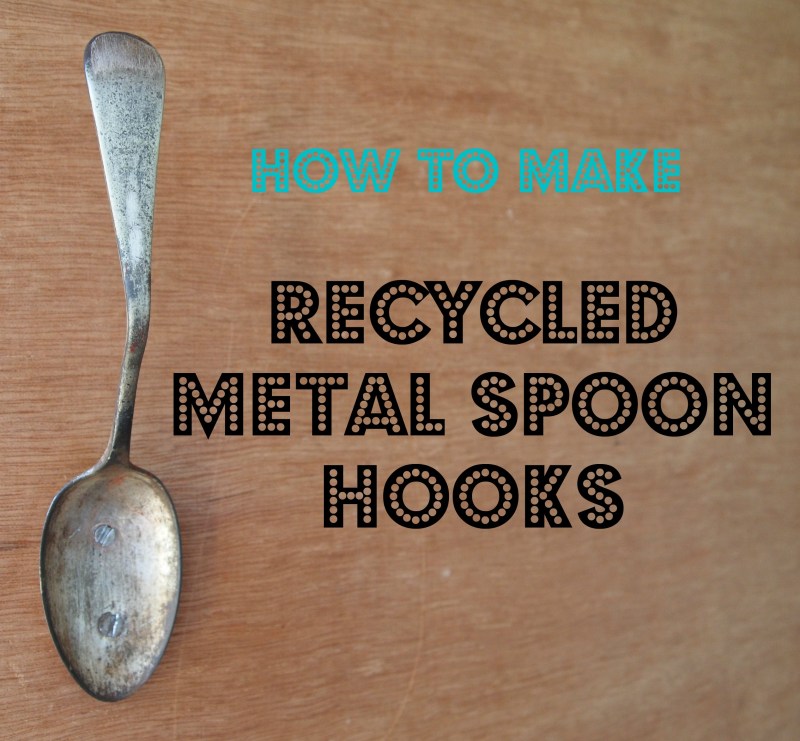
how to make recycled metal spoon hooksI like to not spend much money on the allotment. It’s not that I’m not committed to the plot; if we were ever to lose our little bit of land over the other side of the railway lines, I’d be devastated. I just feel that allotments are all about getting the best from very little. Allotmenteering should be about reusing, repurposing, recycling. So, when in need of hooks in the shed recently I was reluctant to nip down to Homebase and buy a hook or two. On a trip to the allotment I noticed some cutlery was being thrown out by a neighbour and procured a spoon or two, setting about making them into a couple of bespoke hooks. Indeed, on closer inspection (they were very dirty, so needed a clean) they revealed themselves as silver spoons!

The process of turning these unwanted spoons into hooks was very simple. After cleaning the cutlery, I drilled a couple of holes through the spoon part. They need two holes to ensure the spoon doesn’t spin round when heavy items are hooked on. Next step was to form the spoon into a hook shape. These spoons bent easily, so I just used my hands to form the correct shape; I suppose stronger metal might need the use of a vice or something similar. The final step was to screw the spoons into the shed wall and hang stuff up.


Favourite Five Apple Recipes

favourite five Apples, and specifically British apples, are my favourite fruit. I love the variety in flavours that apples bring, from sweet and juicy, to crisp and sharp. I think that there is no better apple than a British one, so always have a self-imposed break from apples once the supplies of home-grown fruit runs out. I don’t see the point in importing foods which we grow so well anyway. Seasonality also has the advantage of allowing my palate to enjoy the plethora of other fruits available, and truly appreciate the first apple of the year. We have a really early apple tree (Beauty of Bath), so the first apple of the season is always one of our own and munched during the summer holidays. But, whether Cox, Russet, Windsor, Bramley, or any other of the 1,900 different varieties of apple trees held at the National Fruit Collection in Kent, they are a super ingredient for either sweet or savoury dishes.

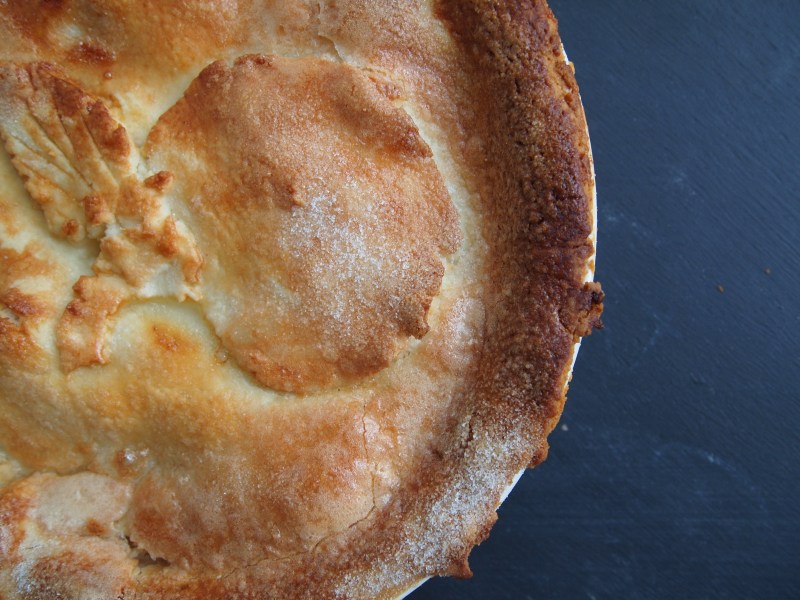
A Simple Apple Pie – There is no better dessert than an apple pie. I like to use a combination of stewed apple and slices of apple in my pies. By stewing some of the fruit first with a little sugar, you get a soft sweetness with the addition of fruit with a bit of a bite. The joy of a pie is its simplicity, its fruit and a pastry top. The top can be puff-pastry, shortcrust pastry, homemade, or (dare I say it?) shop bought. Top the fruit with the pastry, give it a wash with egg white and a sprinkle of sugar and bake til golden. Serve with cream, custard, ice cream, even mascarpone.

apple pie

Apple & Blackberry Jelly -This is inspired by The Pig in Brockenhurst, where my son enjoyed an apple jelly at the end of a delicious meal. Its a simple dessert; so evocative of childhood, but also the waning of the summer and the coming of autumn. Take some apple juice and heat it with a little sugar (depending on how sharp the juice is). I use leaf gelatin, which needs three sheets to soft set 500ml of liquid. Prepare the leaf gelatin by soaking it in cold water for a few minutes, squeeze the excess water from the gelatine and stir into the warm juice until completely dissolved. Pour into small glasses and drop a few blackberries into each glass. Place in the fridge for a few hours until set.

apple and blackberry jelly

Apple Cake – This a deliciously moist gluten-free cake, based on one in Nigella’s Feast. I use whichever apples I have in the house to make the puree and often make too much, in order to enjoy it with porridge in the morning. The cake itself is a simple process, blitzing together the puree and eggs, ground almonds, caster sugar and 1 tablespoon of lemon juice, before pouring into the cake tin.

Pork Chops with caramelised apples and sage crème fraiche – This is a great way to serve pork chops or steaks. Start by frying two quartered and cored apples in 20g melted butter and a small spoon of light brown sugar. Cook for 5 mins, until golden and tender. Remove from the pan and keep warm. Add a little oil to the pan and cook four pork steaks for 5-6 mins per side, until cooked through and golden. Stir in 100ml Crème fraiche and 15ml chopped sage. Serve the pork with the apples, mash and perhaps green beans.

Waldorf Salad – Combine 1sliced apple, a chopped stalk of celery, 50g of walnuts and a handful of rocket in a bowl. Mix a little lemon juice with 1/2 tsp. of grain mustard, then stir it into 100ml of mayonnaise. Toss the salad ingredients in the mayonnaise and serve.

What’s in your favourite five apple recipes?