Arancini – worth having leftovers for!

Ever find you make too much risotto? I’ve become pretty good at portion control – enabling us to not waste too much food. We’re also good at using leftovers in other meals; leftover Hunter’s Chicken for example, makes a super sauce for pappardelle when pushed through a sieve and combined with a bit of the pasta cooking water

That said I always end up making too much risotto; the usual 500g packets provides enough rice for a couple of overly generous meals for two, but not three sensible sized meals. Luckily leftover risotto can be transformed into delicious Arancini; balls of risotto encased in crispy breadcrumbs. I like them so much I subconsciously over cater every time I make risotto. Arancini are easily made and comfortably use up any amount of leftover risotto.

20131109-152808.jpg
What you will need
Leftover risotto
Flour for dusting (seasoned with salt and pepper)
1 egg (beaten)
Breadcrumbs
Vegetable oil (or other oil suitable for deep frying)

Take your leftover risotto and form into golf ball sized balls. It helps to have wet hands to prevent the mix sticking to you. if you have some mozzarella, you can put a small piece in the centre of each ball at this point. The cheese will melt in the heat of the oil later, giving you a gooey cheesy centre. Once your rice balls are formed place them in the fridge for a few minutes to firm up. Coat the balls with breadcrumbs by rolling in the seasoned flour, then beaten egg, and finally breadcrumbs; before returning to the fridge for 30 minutes.

Heat the oil to frying temperature (a few breadcrumbs dropped into the oil should crisp in a few seconds). Lower the rice balls into the oil and cook until golden brown. I always use a saucepan, so I fry three or four balls at a time. Remove them using a slotted spoon and place on a piece of kitchen towel to absorb any excess oil. Serve warm with a tomato sauce, on their own, or cold as a great snack.

Like me you’ll be making too much risotto before you know it.

A Wood Burner and a Shed

Our new shed is installed. The old one survived the storm, but with cold and wet weather likely to feature over the next few months, we decided that a shed large enough to sit out weather in was needed. My brilliant allotment neighbour built me a 7’x8′ shed out of pallets (for a very reasonable fee) – it even has a reclaimed window in it to offer some light during the darker months. I have always felt that the allotment should be a place where we reuse and recycle and it really pleases me to know that the shed is constructed from such materials – I think we’ll continue that theme when insulating and decorating it.

20131031-162719.jpg
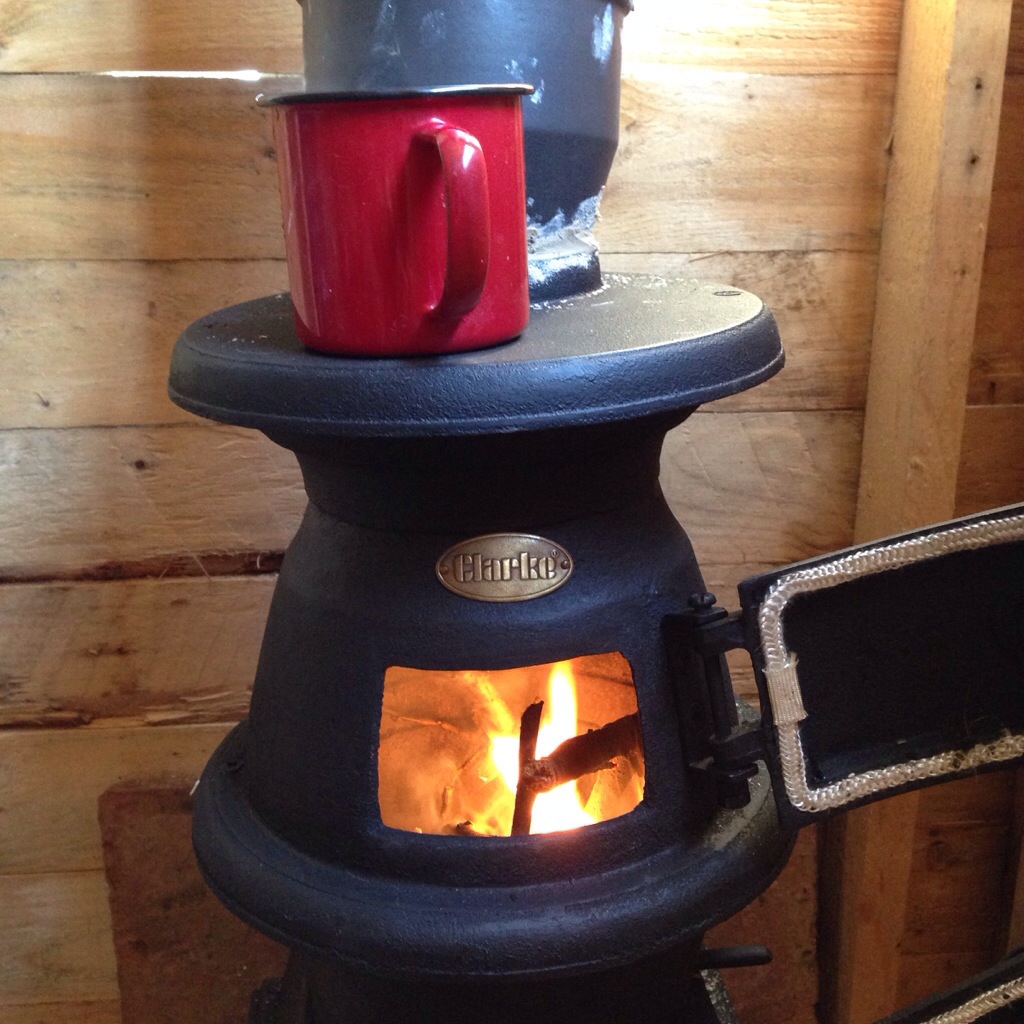
My other allotment neighbour persuaded us that we should also invest in a little wood burning stove for the shed. It’s a bit of an expense; but one thing I’ve learnt over six years of having an allotment and a family, is that if your children are happy and comfortable at the plot, then it means you can get lots done on your visits. Also, I find the allotment the place where I can relax the most, and I’ve been dreading not being able to visit due to the weather. Having the stove and a snug shed should help me to continue to enjoy the peace if he plot – whatever the weather and life throws at me.

20131105-203000.jpg

Apple Flapjack for an Allotment Bonfire Night

Our allotment site is a great slice of society. The plot is surrounded by others tended by young working families, elderly couples, the unemployed, hard worked public sector workers; people of all races and creeds. It is a great and supportive community, and last night we shared on a bonfire celebration. Allotment holders from across the site got together and sat around a raging fire enjoying the local firework display, cider made from our own apples, and pizzas cooked on the wood burning pizza oven.

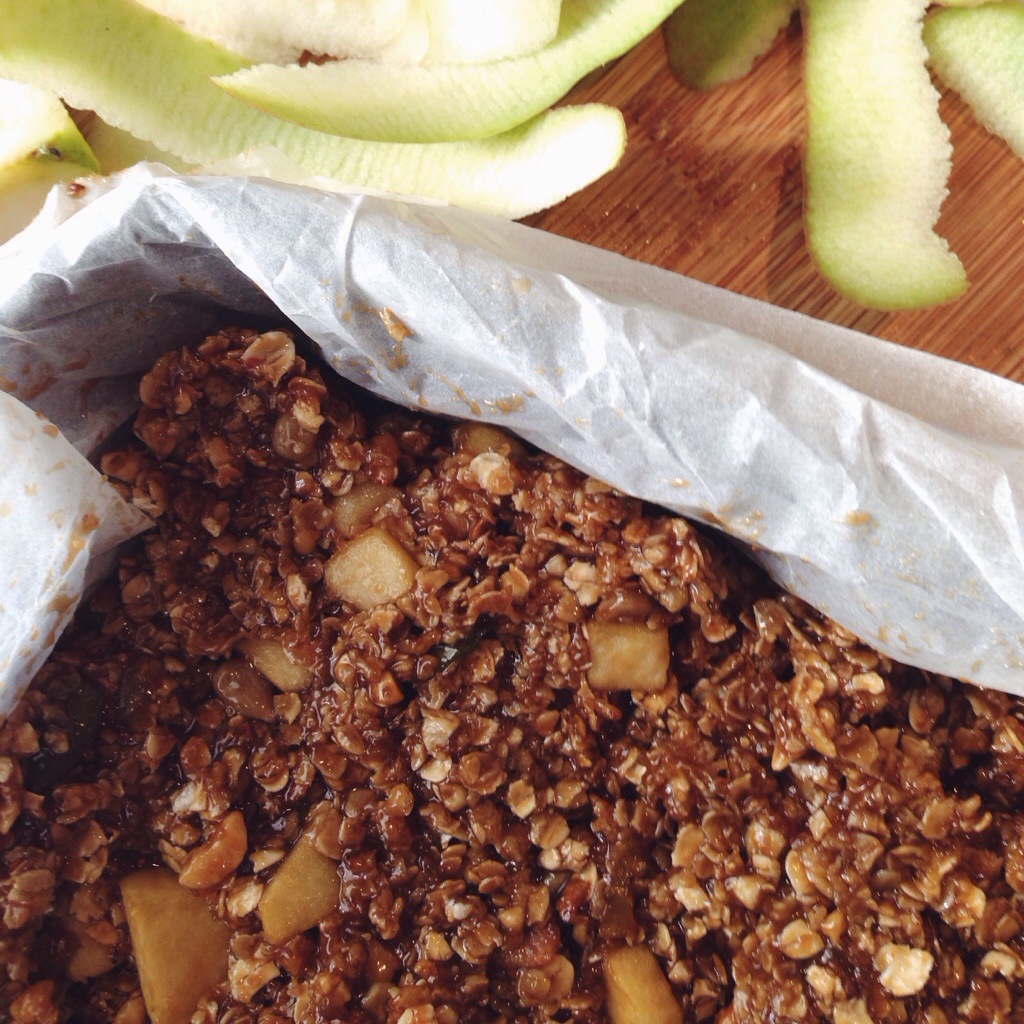
Wanting to contribute something to the proceedings, I decided to create a bonfire flapjack. As we still have quite a few windfall apples I chose to flavour it with them, and use some of the pumpkin seeds and sunflower seeds I’d collected last months. I often make River Cottage Honey and Peanut Butter Booster Bars, which used to be a big hit with my former colleagues. So I used the recipe as a basis for my Bonfire Apple Flapjack. To give it a more bonfire dark stickiness, I used dark muscovado sugar, and added a combination of grated and diced apple instead of huge dried fruits.

20131104-082434.jpg
What you will need
125g unsalted butter
125g dark brown muscovado sugar
100g no-sugar-added crunchy peanut butter
75g honey, plus a little more to finish
Grated cooking apple
Finely grated zest of 1 lemon
250g porridge oats (or the equivalent weight in oats and crushed leftover cereal)
A large apple peeled, cored and diced
100g mixed seeds (I used pumpkin and sunflower)

20131102-163320.jpg
Start by greasing and lining a baking tin, about 20cm square. Put the butter, sugar, peanut butter, honey, grated lemon zest and cooking apple in a deep saucepan over a low heat. Heat until the mixture is melted, stirring occasionally. Combine the oats, diced apple and most of the seeds into the melted butter mixture and stir until it’s thoroughly combined. Spread the mixture out evenly in the baking tin, smoothing the top as you go. Finally scatter the rest of the seeds over the surface and trickle with a little more honey. At this point I tend to use the palm of my hand to press down the mix slightly.
Pop the tin in an oven preheated to 160°C/Gas Mark 3 and bake for about 30 minutes, until the flapjack is golden all over and slightly crispy on the edges. It’s really important that it is left to cool completely before turning out and cutting into squares with a sharp knife. As Hugh Fearnley-Whittingstall suggests in his original recipe; this is a tricky task, but the flapjack will cut much better if you can manage to hang on before devouring. The crispy oats contrast well with the soft sweet apples, and the muscovado sugar hints of toffee apples on a cold afternoon. A perfect treat to munch whilst watching fireworks and watching the dancing flames of a bonfire.

20131103-093237.jpg

November at Plot 4

We’re getting a new shed at the allotment; a larger one, with a wood burner. The site of the shed is the present compost area, so I’ve had to respite the bins. This is a good time to empty compost bins, allowing more space for the autumn clear up. I’ll spread the compost on the empty beds, turning it in as we have really heavy soil. The worms and frost should work together over the winter to give a better structure to the soil.

Some of the compost will also be used as a mulch for our dahlias. It tends to be relatively mild in general; so the dahlia tubers don’t need to be lifted, but can be covered in 10cm or so of compost as an insulating blanket. That should keep the dahlias snug through the winter, ready to flourish again next year.

Whereas dahlias could need lifting, I’ve been planting daffodil bulbs and I’ll be planting tulips soon too. We’ve always had a few tulips at the plot, but this year I intend to plant more – so we can have a few cut flowers for the house. I’ll plant some under the apple tree to add some early season colour; I’ll also plant some as part of a corridor of bulbs (lining the main path). The tulip bulbs need to be in the ground before the cold comes, so allowing their roots to establish. They should be planted in a hole roughly three times their height; and if, like our plot, the soil doesn’t have good drainage, they benefit from some grit at the bottom of the hole.

The plot also needs a bit of a tidy, with brambles and trees to prune and wood chip paths to replenish. Still this should give some fuel for a bonfire in a few days time!

Hugs and Biscuits

“Can I give you a big hug?” asked my son the other day. “Of course” I replied. A hug is something we all need now and again. I love how children, naturally more uninhibited, will just ask for a hug, or in my son’s case just offer one. The feeling of being embraced is often all that is needed to solve a problem, or to change one’s mood.

Last week, the children and I ended up getting a coffee and biscuit in the great Caffé Bar Italia di Napoli down the road. I’ve never been to Italy, but it strikes me that this cafe is pretty much as the cafés of Naples (the proprietor’s home town) are like. The coffee is good and the range if biscuits and antipasti super. To accompany our drinks we had some small biscuits which were half chocolate and half vanilla. Deliciously crisp and crumbly, yet not overly sweet, they’re called Abracci. The name translates as ‘hug’, and the vanilla and chocolate halves clasp each other as if they are hugging.

Having looked online, I found a number of recipes (including a recipe from the commercial makers Mulina Bianco) and tracked down what seems like a key ingredient; potato starch, which helps the dough to keep its shape when baking, and maintains the ‘hug’. Whether they are served with a coffee or tea, they are a delicious light biscuit and like a hug bring a smile to your face.

Abracci (makes 72 biscuits)

What you will need
Cream dough:
200g flour
50g potato starch
100g of sugar
50g of butter
45g of margarine
3 tablespoons of fresh cream
1 tablespoon of honey
Knife tip of vanilla bean paste
1/2 teaspoon of baking powder
pinch of salt

Cocoa dough: 
200g flour
50g potato starch
120g of sugar
40g of margarine
60g of butter
30g cocoa powder
40g of fresh milk
1 egg
1/2 teaspoon of baking powder
pinch of salt.

You need to prepare the two flavoured doughs, then combine before baking. First mix the margarine, butter and sugar until creamy. When light and fluffy, add the cream, vanilla and the honey and mix thoroughly. Finally fold in the flour, potato starch, salt and the baking powder, mixing until all the ingredients are thoroughly combined in a dough.  For the cocoa dough, repeat the process of creaming the butter, margarine and sugar, before adding the milk and egg. Fold in the remaining dry ingredients to make a dough. Allow the dough to rest in the fridge for 30 minutes.

20131022-210117.jpg
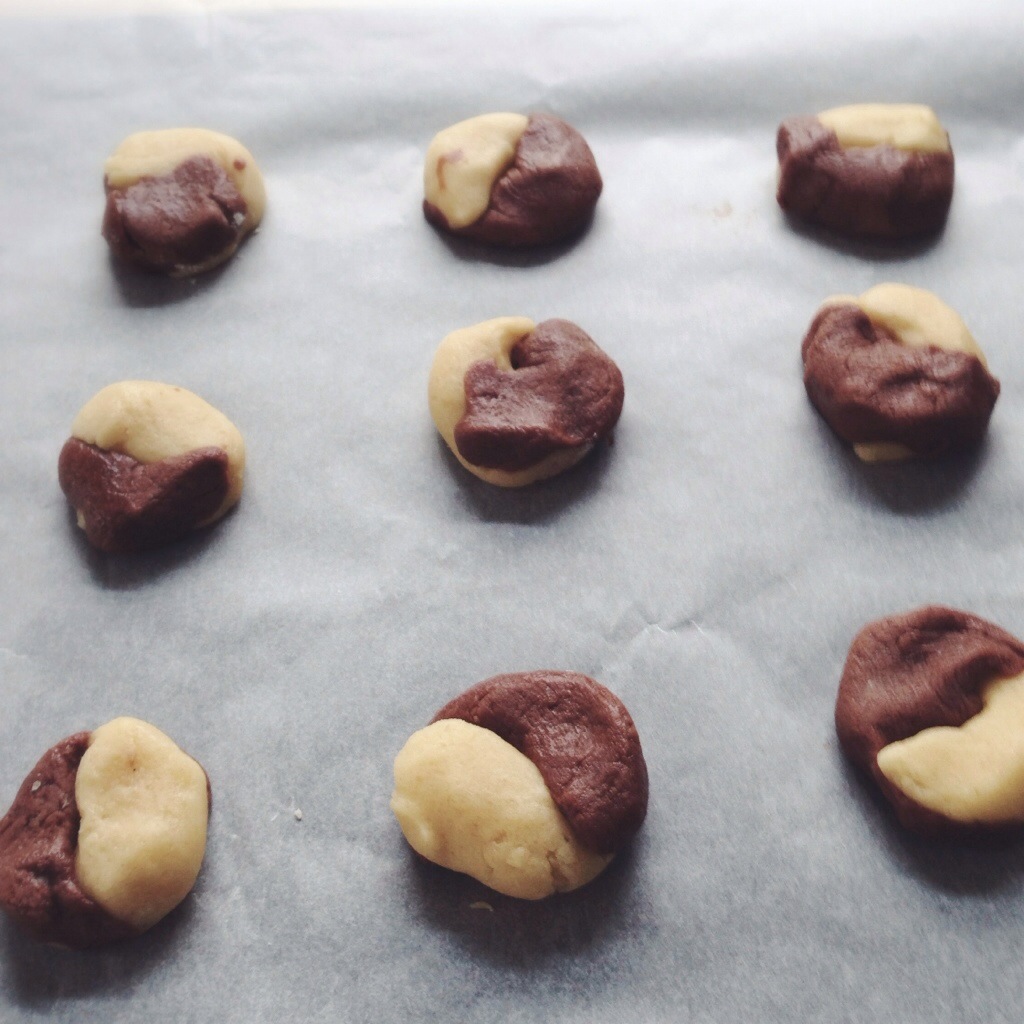
Take the dough from the fridge and roll to form 30cm sausages. Divide each sausage into 3cm pieces and then combine one cocoa and one cream sausage to form the ‘hug’ shape shown in the photo above. Bake at 180 ° C for 10-15 minutes. The biscuits are ready when the cream part has started to turn golden brown.

20131023-105502.jpg

Cheesy Feet

For quite a while now we have made cheese biscuits based on a River Cottage recipe (adapted below). Biscuits are always popular in our house, and in making cheese ones we hope to reduce our sweet intake a little. The idea of adapting the idea to create ‘cheesy feet’ came from a trip to Bradford on Avon – where (in desperate need of a snack) we bought some cheesy feet from the baker at the weekly Farmers’ Market. For months we’ve looked out for a foot cutter to create our own version, finally finding one the other week.

With Halloween coming up, the children and I decided to make some cheesy feet with added gruesomeness – hence the addition of dodgy looking nails in the form of pistachios. You could use flaked almonds, but the green and brown tinge to pistachios seemed to fit the Halloween theme best.

20131024-140636.jpg
What you will need (Makes 20-24)
125g unsalted butter, cubed
125g cheddar, grated
4 tbsp grated parmesan
150g plain flour
½ tsp bicarbonate of soda
A pinch of salt
2 tsp yogurt
A few grinds of black pepper
Pistachio nuts – halved

This is a really easy recipe, as all you need to do is whizz everything in a food processor until it comes together into a ball, then remove the dough and knead for a minute or so. Wrap the dough in clingfilm and pop it in the fridge for half an hour. Preheat the oven to 190C/375F/gas mark 5.

20131024-140922.jpg
Roll out the dough on a lightly floured surface until it’s about 3-4mm thick, then use your foot cutter (or any other shape you want) to cut out the biscuits. Place five of the halved pistachios on each foot to resemble nails, then move the biscuits onto baking sheets lined with baking parchment and bake for 10 minutes, until golden. Cool on a wire rack.

Allotment herbs into the winter

The allotment was decidedly nippy the other morning. Bright and beautiful, but nippy nonetheless. The majority of the summer crops have finished and the plot has taken on a different hue; moving from a lush green to more of an earthy brown, as crops are sown and planted to overwinter.
Of course, some of the crops will survive the coming months. The herbs like rosemary and sage will continue to provide fresh flavour to the kitchen. However, others like mint and basil will die off as the cold days encroach. So, a few weeks ago I decided to cut a load of herbs and dry them in the shed. We use a lot of dried herbs, oregano, mixed herbs, they all help to flavour our sauces and stews. It made sense to not waste the fabulous flavours the plot and try to keep them to use in the winter.

20131021-135721.jpg
To dry the herbs, all I did was cut a good bunch of a range of herbs, tied them into bunches and hung them in the shed. After a few weeks they had dried to a crispy, crumbly texture. The last stage was to crush the herbs, place in jars, label and add to the store cupboard for use later. Some of the herbs I kept on their own, but I also created an ‘allotment mix’ as well. It will be great to pull out the vibrant flavour of the allotment when it’s cold and wet outside.

20131021-141112.jpg
I’m addition to cutting and drying herbs before the winter comes, it’s also a good time to take cuttings from the woodsy herbs such as rosemary and sage. Choose a vigorous, non-flowering, shoot. Cut it off just below the leaf node or joint. Next strip off most of the leaves, leaving the top few. Place the cuttings in a pot filled with compost and vermiculite in roughly equal parts. You need to water the compost and then cover with a plastic bag or bottle to create condensation. After 4-6 weeks in direct sunlight, the cuttings should have rooted and can be planted out in the spring. From one plant, you can give yourself a load of new ones.

20131021-141953.jpg

Rocket Pesto – A Guest Post from Little Button Diaries

I’m really excited to have a guest post from Brighton baking, making and baby bloggers, Little Button Diaries. They’ve been a huge influence on this new blog, and ignited my inner crafter as well. Here’s their post, and a great use of the rocket at the allotment.

Homemade Rocket Pesto

I’m always looking for inspiration for new ways to get creative in the kitchen utilising the fruit and veg I get from my garden. Simon’s blog is one of my bookmarked blog for it’s inspiring kitchen ideas and gardening tips and so I’m really happy he asked Little Button Diaries to write a guest post.

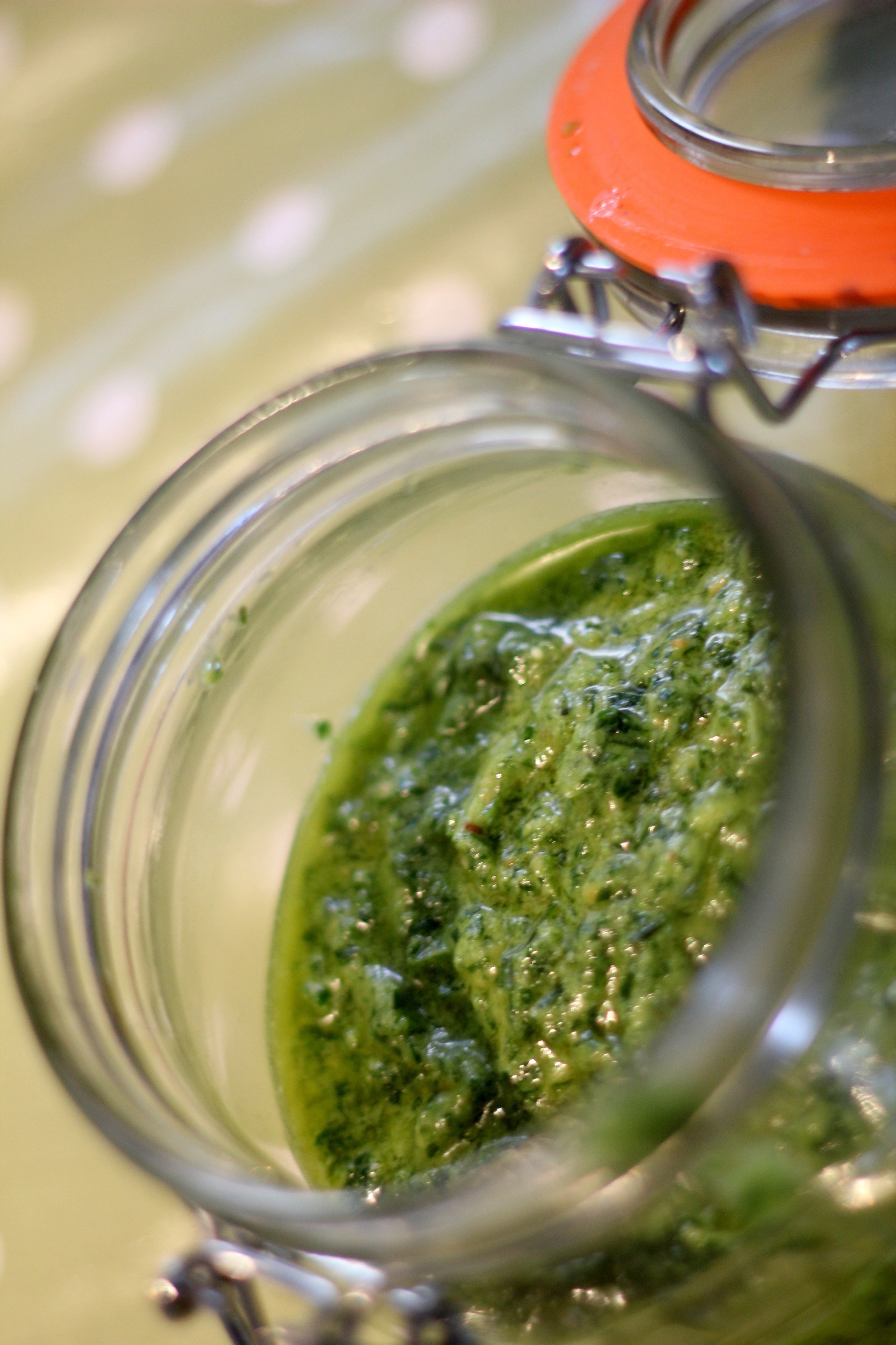
I have the smallest postage stamp of a garden, but despite its size I’m living proof that you don’t need a vast space to grow your own vegetables. I’m a big fan of growing things in tubs and pots and this year I decided to grow some rocket in a rusty old supermarket basket I found in my Gran’s garage (good stealing Gran!). As a pretty solid weed, it took over in abundance and I was left wondering what I could do with mountains of rocket – as it has definitely got too cold for salads now. I decided to make rocket pesto, which is actually a good peppery alternative to the basil version. Its also very very easy!

image

What you will need
A good bunch (about 50g) of rocket leaves
1 clove of garlic
salt
Juice from half a lemon
25g lightly toasted pine nuts
25g parmesan
125ml olive oil

Begin by putting the garlic, salt and nuts into a blender and pulse until finely chopped – don’t blend for too long or it will start to turn to a paste. Remove from the blender and do the same for the rocket leaves and lemon juice, with a small dash of the oil. Then remove and combine the nuts and rocket with the remaining oil, mixing well.

image

This is can then be stored in the fridge and used in just the same way as basil pesto. I mixed mine into some cooked penne, grated on some cheese and breadcrumbs and gave it a blast in a hot oven. Very tasty it was too.

Rocket and other salads

This year has really been a good one for a steady crop of salad products from the plot. I’ve grown Romaine, as well as Mustard, Lollo Rosso and other mixes. It’s meant that, instead of buying bags of hermetically sealed supermarket salad, we’ve enjoyed a fresh supply of whatever is at the plot. Latterly this has included pickings of less conventional, but easily as tasty, nasturtiums, beetroot and chard. They all add variety of flavour; from the peppery nasturtiums, to the more earthy flavours of the beets. It’s said you also eat with your eyes; and the ruby red veins on the chard leaves, as well as the yellow and orange nasturtium flowers, really are appetising.

20131010-120048.jpg These have all been in and out of our salad selections, but the ever present is rocket. It’s a gardeners’ (and cooks’) friend. Speedy to grow, it produces lots of peppery leaves which can be cut and will regrow for further pickings. It also makes a great frittata or pesto.

I’ve found that rocket can bolt in the heat of summer (and experienced it a bit this year). So I tend to sow in partial shade – in my case in a cold frame which is situated under one of our apple trees. We’ve got some old polystyrene mushroom boxes which have made great planters, as they don’t tend to dry out that quickly when filled with rich moisture retentive compost (we’ve punched a few drainage holes in the bottom). All you need to do is sow (a little every week or so) and water when necessary. It’s October now and the rocket is still going strong. Indeed, I think I may sow some more in the greenhouse.

20131010-120302.jpg

Hunter's Chicken (Pollo alla Cacciatora)

I’m writing this as the skies darken in the late afternoon and outside there is a distinct nip in the air. Not that looking in the greenhouse would reveal the autumnal weather, with all the tomato plants still fruiting, and even flowering. This has been the first year we have really managed to successfully grow tomatoes, not least because its the first year we have had a greenhouse at the plot. Our four plants have kept us in tomatoes for most of the late summer and continue to do so with gusto. So, most meals now seem to have some tomato content. Yesterday’s meal was a recent discovery, and a perfect dish for a chilly autumnal evening. Hunter’s Chicken (Pollo alla Cacciatora), is a traditional Italian dish, cooked and eaten by many families, and as such has many variants depending on what was hunted to go in it. Like Felicity Cloake (whose recipe I based mine on), I reckon rabbit was probably the meat of choice, but chicken legs with their juicy dark meat is what I used.

20131021-113018.jpgWhat you will need(Serves 4) Knob of butter 2 tbsp olive oil 4 chicken legs, divided into thighs and drumsticks. Seasoned flour, to dust 2 heads of garlic, cut horizontally Small bunch of rosemary 1 carrot, peeled and diced 1 stick of celery, diced 1 anchovy fillet (chopped) Half a glass of white wine 250ml decent chicken stock If like me you have a glut to use up, 150g really ripe fresh tomatoes, skinned and chopped (or an equivalent amount of plum tomatoes in juice) 250g quick cook polenta Knob of butter 50g Parmesan Heat the butter and oil in a large, heavy-based casserole dish over a medium-high heat. Next dust the chicken pieces in the seasoned flour, then fry them in batches until golden brown on all sides. Take the chicken out of the pan and set aside. Slowly fry the garlic, rosemary, carrot and celery, until it is softened and started to colour. Pour in the wine and use a spoon to scrape the deliciously crispy bits off the bottom of the pan as the liquid reduces. Add the stock and tomatoes, and return the chicken to the pan. Bring to a simmer, cover, turn down the heat and cook gently for 45 minutes, until the meat is falling from the bone.

I served the chicken with polenta (a staple of northern Italy), which I made using the instructions on the packet and added parmesan and butter before serving.